Lab Working Bench Supplier In Rajkot
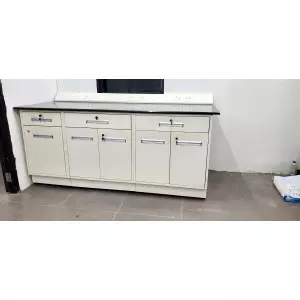
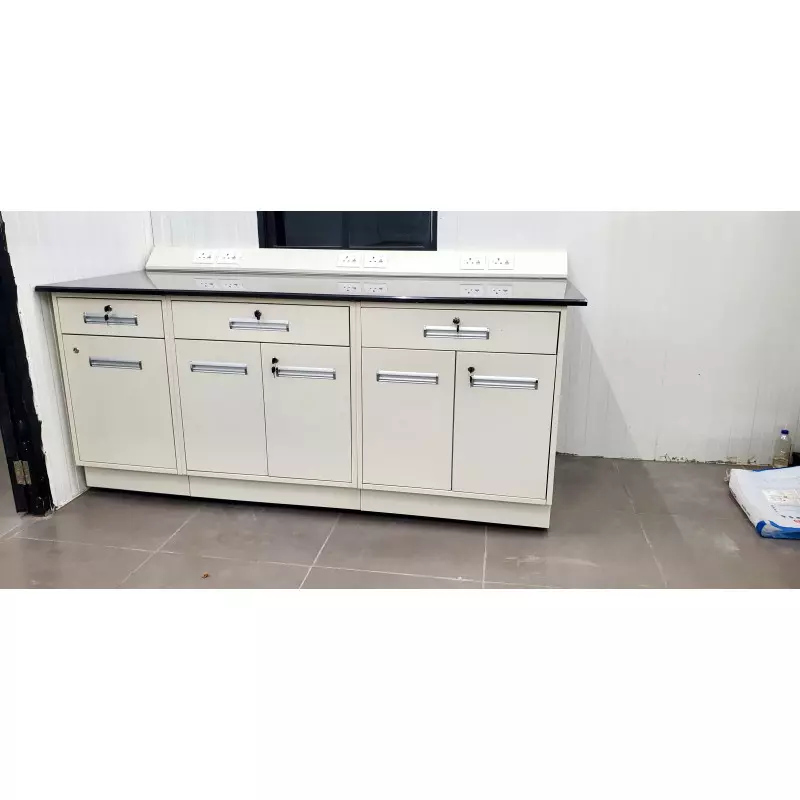
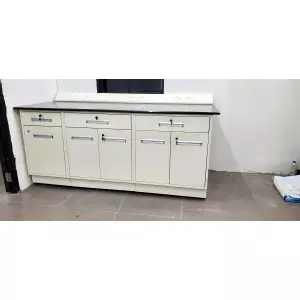
Details of Pedestal Mounted Work Bench
Finding a good lab working bench supplier in Rajkot matters for cost and quality. We know labs run on tight budgets but can't cut corners on work benches. Lab benches must stand up to chemicals, heavy use, and still fit the space well.
Choosing the right lab working bench depends on many things. Size matters—too small slows down work; too big wastes space. Material choice is key because some labs need corrosion resistance while others want easy cleaning surfaces. Plus, the design should let users add utilities like gas taps or power points easily without major changes later.
We have changed with market needs over time by offering modular benches that adjust as labs grow or change focus. Back when we started, most labs wanted standard wooden benches; now steel and epoxy-coated tables are common because they last longer and handle harsh conditions better.
Our designs evolved from simple tops to integrated units with sinks, storage cupboards, and instrument spaces all in one frame. This shift cuts installation hassle on site and helps labs start working sooner after setup.
It's also worth noting how we fit benches into diverse layouts—from school labs needing several small islands to pharma R&D centers demanding large continuous surfaces plus safety cabinets nearby. Customization is no longer an extra but a baseline expectation.
The way we build benches makes maintenance easier too: removable panels for quick access, adjustable shelves inside cabinets for varied tool sizes, plus sturdy castors if mobility is required (though not every client asks for this feature).
If you want to see how these benefits translate in your lab environment, looking at flexible options first will help avoid costly mistakes later on equipment fit or workflow disruptions. Talk about setups that can shift from one research phase to another without rebuilding everything from scratch—that's practical thinking.
Offered Product

Pedestal Mounted Work Bench
Product Overview:Jay Veer Lab Solution's Pedestal Mounted Work Bench Is A Robust And Modular Lab Furniture System Designed For Heavy-duty Laboratory Tasks. With Powder-coated MS Or SS Pedestal Support, This Bench Offers Enhanced Stability And Durability. Ideal For Chemistry, Pharmaceutical, School, And Industrial Labs. Key Features:Structure: Mild Steel (MS) Or Stainless Steel (SS304) Pedestal Framework Square Pipe Or CRCA Sheet Construction Epoxy Powder-coated Finish (60–70 M... Read moreLab Furniture Manufacturer In Gwalior
We Make Lab Furniture. Serving Gwalior Clients, We Focus On Smooth Setups And Steady Help To Keep Labs Running Well. Our Lab Benches And Tables Come With Durable Surfaces And Built-in Service Points For Power, Water, And Gas. This Cuts Delays During Installation And Usage Phases.Our Workstations Suit Many Lab Types—research, Pharma, Education—with Flexible Designs That Fit Small Or Large Rooms Alike. We Build Modular Cabinets That Can Shift With Changing Needs; Options Include Skirting Mount Continue
Laboratory Equipment Manufacturer In Malegaon
We Offer Well-built Laboratory Equipment In Malegaon, Made To Last And Work Well. Each Piece Is Planned Carefully To Fit The Exact Needs Of Different Labs, From Research Centers To Healthcare Spots. We Take Time Understanding What Each Client Requires And Build Equipment That Works For Their Space And Tasks.Clients Count On Us Because Our Gear Holds Up Against Tough Lab Conditions. We Pick Strong Materials That Don't Wear Down Easily With Chemicals Or Daily Use. Plus, Our Designs Make It Easy To Continue
Lab Furniture Manufacturer In Ghaziabad
Making Reliable Lab Furniture For Ghaziabad Helps Labs Run Smooth And Safe. We Build Tables, Benches, Cabinets, And Storage That Work Well With Your Space And Needs. Good Furniture Is Not Just About Looks; It Must Stand Tough In Labs Where Chemicals And Heavy Use Happen Daily.Caring During Operation Matters A Lot. Our Furniture Uses Corrosion-resistant Materials Because Labs Deal With Acids And Solvents That Can Eat Away At Cheap Metals. We Add Modular Parts So You Can Change Setups Without Buyi Continue