Pharma Lab Furniture Supplier In Andheri
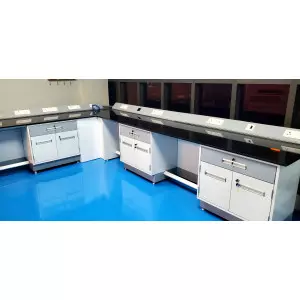
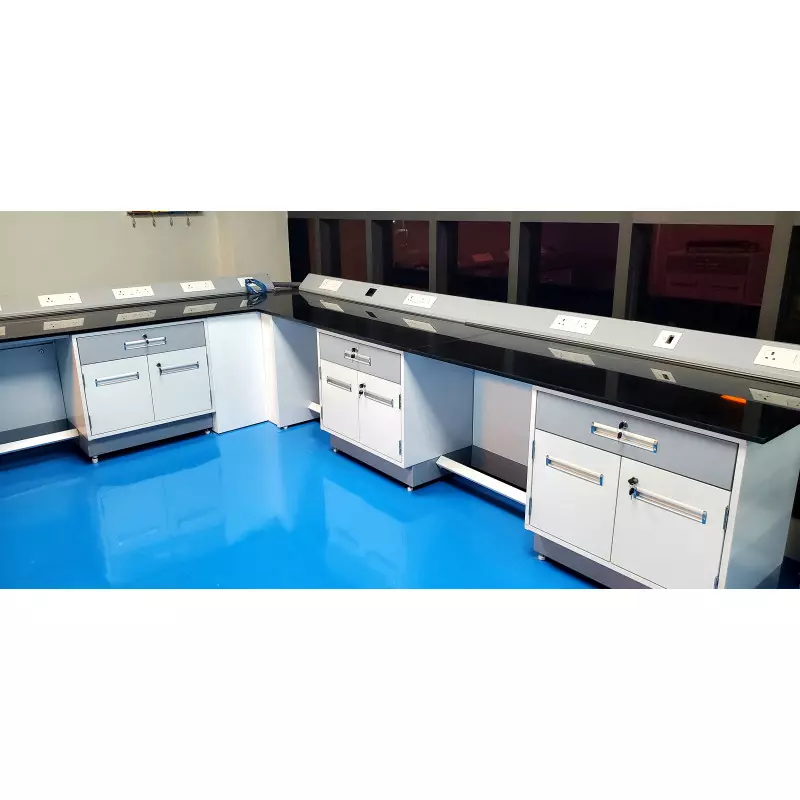
Details of MODULAR LAB FURNITURE
Supplying pharma lab furniture in Andheri, we focus on your industry's need for durable and safe setups that work without fuss. We deliver furniture built to hold up against chemicals and heavy use. Installation comes with clear steps and minimal downtime.
Lab furniture is not just about looks or storage. It has to fit the flow of work and safety rules tightly. We tailor benches, cabinets, and fume hoods to the exact space constraints found in pharmaceutical labs, so nothing feels cramped or out of place. Our modular designs make future changes easier without tearing down everything.
The materials matter. Our pharma lab furniture uses corrosion-proof surfaces like epoxy resin or stainless steel which handle spills without damage. The frames are strong enough to carry heavy instruments but light enough for occasional moves when needed (which does happen more than you'd expect). Airflow control around benches prevents contamination risks while being simple to clean.
Then there's service points - electric sockets, gas lines, water taps - all integrated neatly into the workstation layout. You don't want wires sprawling over counters or pipes sticking out awkwardly; this setup keeps things tight and accessible at once.
Our team knows timelines matter too. Labs can't wait weeks because a piece is missing or doesn’t fit right; that throws schedules off badly. So we plan carefully from design through delivery to speed install without cutting corners on quality checks.
Staying Reliable Over Time
Pharma labs face tough conditions daily—chemicals, constant cleaning, long hours—and furniture should last beyond initial months or even years without breaking down or warping under stress. We've tested our products in similar environments repeatedly (our staff still talks about the rainy June humidity when some prototypes took extra beating) ensuring they meet those rough demands quietly without fuss later on.
Flexibility Matters Too
- Adaptable Storage : Lockers and cupboards sized right for different pharma tools keep order tight.
- Easily Cleaned Surfaces : Smooth finishes reduce infection risks by making wipe-downs quicker and more thorough.
- Modular Setup : Add-ons like reagent racks or tool holders slot in wherever you want them—no drilling walls needed each time change hits.
Your Next Step
If you want lab furniture that holds up day-to-day in pharma settings plus fits your workspace sharply, it’s worth checking our catalog closely then reaching out to talk specifics—the odd corner measurement or utility point often makes a big difference once installation starts.
Offered Product

MODULAR LAB FURNITURE
Product Name: Modular Lab FurnitureBrand: Jay Veer Lab Solution Category: Laboratory Infrastructure Solutions Type: Modular, Customizable, SEFA-Compliant Lab Furniture Product Overview:Jay Veer Lab Solution Offers Modular Laboratory Furniture Systems That Combine Functionality, Safety, And Aesthetics To Meet The Dynamic Needs Of Modern Laboratories. Designed With International Standards (SEFA, ISO, And GMP) In Mind, Our Modular Lab Furniture Supports Flexible Layouts, Easy Maintenance, An... Read moreMODULAR LAB FURNITURE Silvassa
MODULAR LAB FURNITURE DetailsProduct Name: Modular Lab FurnitureBrand: Jay Veer Lab SolutionCategory: Laboratory Infrastructure SolutionsType: Modular, Customizable, SEFA-Compliant Lab Furniture Product Overview:Jay Veer Lab Solution Offers Modular Laboratory Furniture Systems That Combine Functionality, Safety, And Aesthetics To Meet The Dynamic Needs Of Modern Laboratories. Designed With International Standards (SEFA, ISO, And GMP) In Mind, Our Modular Lab Furniture Supports Flexible Continue
MODULAR LAB FURNITURE Dhrol
MODULAR LAB FURNITURE DetailsProduct Name: Modular Lab FurnitureBrand: Jay Veer Lab SolutionCategory: Laboratory Infrastructure SolutionsType: Modular, Customizable, SEFA-Compliant Lab Furniture Product Overview:Jay Veer Lab Solution Offers Modular Laboratory Furniture Systems That Combine Functionality, Safety, And Aesthetics To Meet The Dynamic Needs Of Modern Laboratories. Designed With International Standards (SEFA, ISO, And GMP) In Mind, Our Modular Lab Furniture Supports Flexible Continue
Pharma Lab Furniture Manufacturer In Amritsar
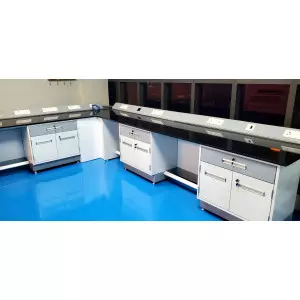
Pharma Lab Furniture In Amritsar Focuses On Strong, Useful Designs Made To Last. We Work To Give Labs Tables And Benches That Can Handle Harsh Chemicals Without Breaking Down. This Means Choosing Materials That Stand Up To Daily Wear And Tough Use, So The Furniture Stays Reliable Over Years.Lab Setups Need More Than Just Desks; They Require Good Planning For Space And Tools. Our Approach Has Changed To Include Smart Layouts That Fit Workflow Needs Better. For Example, We Place Gas Valves And Wat Continue