Instrument Laboratory Table Manufacturer In Dahej
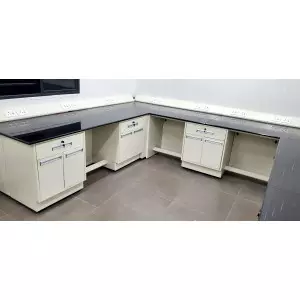

Details of Instrument Laboratory Table
Laboratory Essential Furniture for Modern Labs
A well-equipped laboratory requires more than just instruments and chemicals—it needs a strong, functional workspace. Instrument laboratory tables are specially designed to provide durability, stability, and convenience for scientific research, experiments, and testing. These tables support precision instruments and sensitive equipment, ensuring a safe and organized environment for students, researchers, and lab professionals.
Why Instrument Laboratory Tables Are Important
Laboratory instruments require stable surfaces to function accurately. Shaky, uneven, or poorly designed tables can lead to errors in experiments, equipment damage, and safety hazards. Instrument laboratory tables are engineered to provide:
- Stable and vibration-free surfaces for precision instruments
- Chemical-resistant surfaces for handling reagents safely
- Adequate space and storage for instruments, tools, and accessories
- Ergonomic design for comfort during long hours of lab work
By integrating these features, laboratories can maintain productivity, safety, and efficiency.
Features of Laboratory Tables
1. Durable Construction
Most lab tables are made from high-quality steel, wood, or engineered composites, providing long-lasting support and resistance to wear and tear.
2. Chemical and Heat Resistance
Surfaces are coated with chemical-resistant laminates or epoxy resin to protect against spills, stains, and moderate heat exposure from experiments.
3. Adjustable Height and Modular Design
Some tables offer adjustable height and modular setups, allowing flexibility for different instruments and lab configurations.
4. Storage and Organization
Integrated drawers, cabinets, and shelving provide space for storing instruments, tools, glassware, and documentation, keeping the workspace neat and accessible.
5. Vibration-Free Support
Special anti-vibration designs or damping pads protect sensitive instruments like microscopes, spectrometers, and balances from interference.
Applications of Instrument Laboratory Tables
- Educational laboratories in schools, colleges, and universities
- Research and development labs in pharmaceuticals, biotechnology, and chemical industries
- Industrial testing and quality control labs
- Environmental and geological laboratories
- Electronics and engineering labs
Best Practices for Using Laboratory Tables
- Place heavy or sensitive instruments on vibration-free areas
- Keep surfaces clean and dry to prevent chemical damage
- Avoid overloading drawers or shelves
- Regularly inspect table surfaces and joints for stability
- Organize instruments to minimize clutter and maximize workspace efficiency
Instrument laboratory tables are more than just furniture—they are a critical part of laboratory safety, efficiency, and accuracy. Choosing the right table ensures that instruments remain stable, experiments are reliable, and lab professionals can work comfortably and safely. For modern laboratories, investing in high-quality instrument tables is a foundation for productive and precise scientific work.
Offered Product

Instrument Laboratory Table
Instrument Laboratory TableBy Jayveer Lab SolutionOur Instrument Laboratory Tables Are Designed To Provide A Stable, Vibration-free Platform For Precision Instruments And Analytical Equipment Used In Laboratory Environments. These Tables Ensure Optimal Performance Of Instruments By Offering Ergonomic Design, Durable Materials, And Customizable Configurations. Key Features:Robust Construction: Heavy-duty Steel Or Powder-coated MS Frame For Excellent Durability And Load-bearing Capacity... Read moreInstrument Laboratory Table Ankleshwar
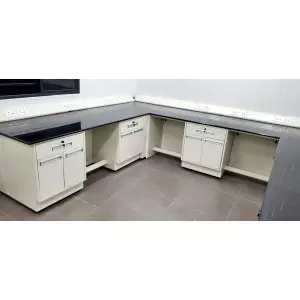
Instrument Laboratory Table DetailsInstrument Laboratory TableBy Jayveer Lab SolutionOur Instrument Laboratory Tables Are Designed To Provide A Stable, Vibration-free Platform For Precision Instruments And Analytical Equipment Used In Laboratory Environments. These Tables Ensure Optimal Performance Of Instruments By Offering Ergonomic Design, Durable Materials, And Customizable Configurations. Key Features:Robust Construction:Heavy-duty Steel Or Powder-coated MS Frame For Excelle Continue
Instrument Laboratory Table Vadodara India
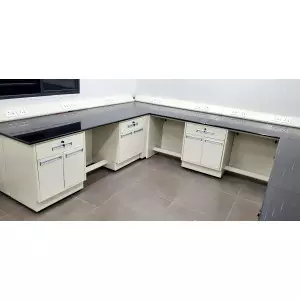
We Are Offering Instrument Laboratory Tables That Provide Reliability And Accuracy For Laboratory Work In Industrial And Academic Environments. With Advanced Facilities, We Are Providing Tables Built For Precision Instruments, Allowing Stable Support And Long-term Usage. Our Professional Team Ensures Strong Construction And Ergonomic Layout For Ease Of Handling Laboratory Equipment. In Addition, We Are Supplying Instrument Tables Suitable For Chemical, Pharmaceutical, And Educational Institution Continue
Laboratory Instruments Manufacturer In Bhopal
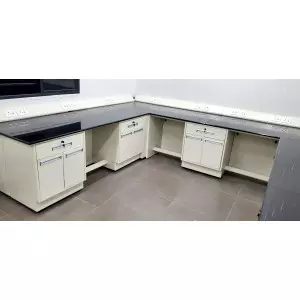
Our Bhopal Manufacturing Team Focuses On Making Laboratory Instruments That Fit Your Work Needs. We Know Labs Need Tools That Last Long And Handle Tough Use Without Fail. That’s Why We Keep Quality And Durability At The Core Of What We Build.Laboratory Instruments Have To Be Accurate And Safe, Or They Won’t Do Their Job Well. We Design Each Piece With Care, Mixing Sturdy Materials With Smart Features So You Get Reliable Results Every Time. You Don’t Want Surprises In The Lab—things Must Continue